Bittersweet: The Alchemical Magic of Pomegranate
A single fruit, cracked open across four cuisines. How pomegranate became the through-line of Persian, Turkish, Levantine, and North African cooking.
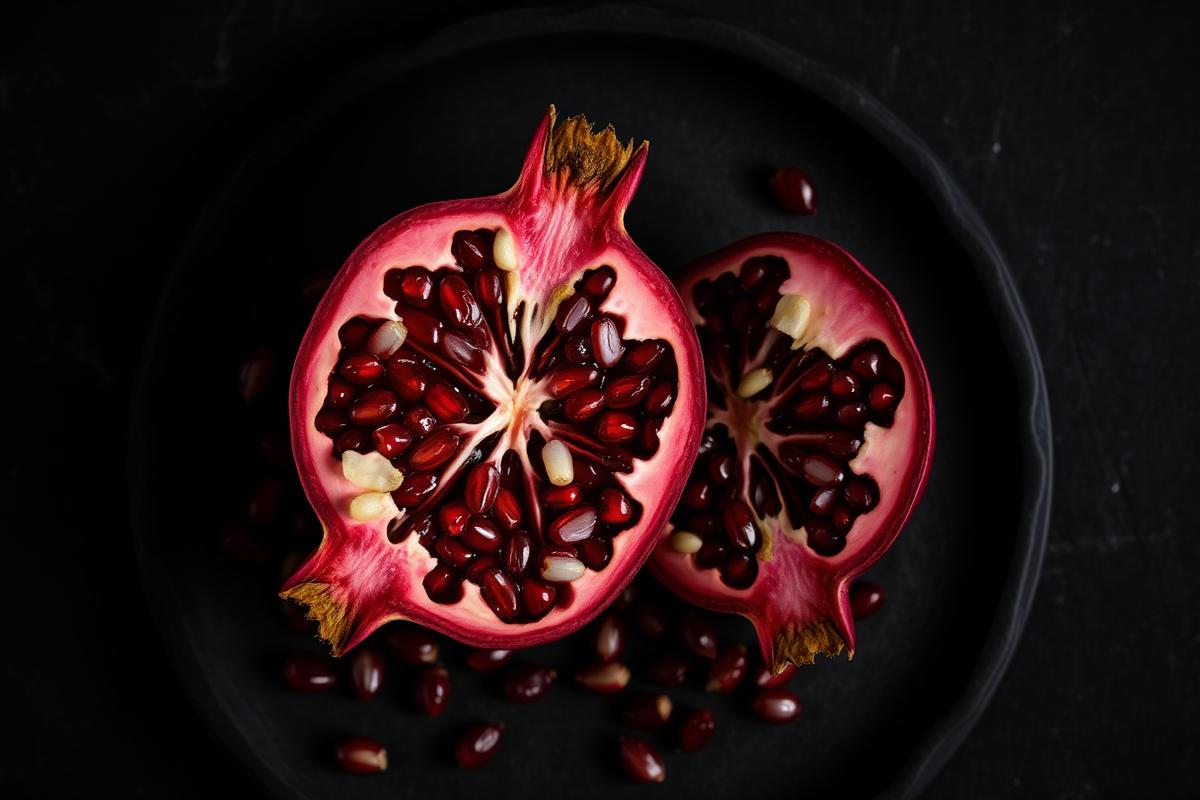
There is a small trick you learn the first time you break a pomegranate open properly. You cut it in half over a bowl of water, hold it face-down, and tap the outer skin with a heavy wooden spoon. The seeds fall like rain. The pith floats. You have a bowl of rubies and no mess. This is the small alchemy the fruit runs on.
One fruit, four kitchens
- In Persian cuisine, molasses-thick concentrate becomes the backbone of fesenjan, a walnut stew that reads sweet and sour at once.
- In Turkish cooking, nar ekşisi drips over grilled meats and salads, sharpening the fat.
- In Levantine kitchens, whole seeds crown a bowl of muhammara or freckle a plate of fattoush.
- In Moroccan homes, dried arils are stirred into rice pilafs, adding a small pop of surprise to every bite.
Buying and storing
Choose fruit that feels heavier than it looks, that's a full seed cavity. A slight brown blush is fine; it means the fruit had time on the tree. Whole pomegranates keep for a month in a cool cupboard, longer in the fridge. Once seeded, they last five days.
A weeknight recipe: pomegranate-glazed carrots
- Roast 500 g of small carrots at 220°C with olive oil and salt until charred at the edges.
- Whisk two tablespoons of pomegranate molasses with one tablespoon of honey and a pinch of urfa chili.
- Toss the hot carrots in the glaze. Top with fresh seeds, toasted pistachios, and torn mint.
- Serve warm alongside a garlicky yogurt.
For more on the ingredients that connect these kitchens, see our spice routes essay. If cooking is part of your daily rhythm, our morning ritual guide covers how to fold small kitchen prep into a slower start to the day.