Where the Mist Settles: A Slow Guide to the Scottish Highlands
How to see the Highlands the way they were meant to be seen, on foot, in silence, and with time for the weather to change three times before lunch.
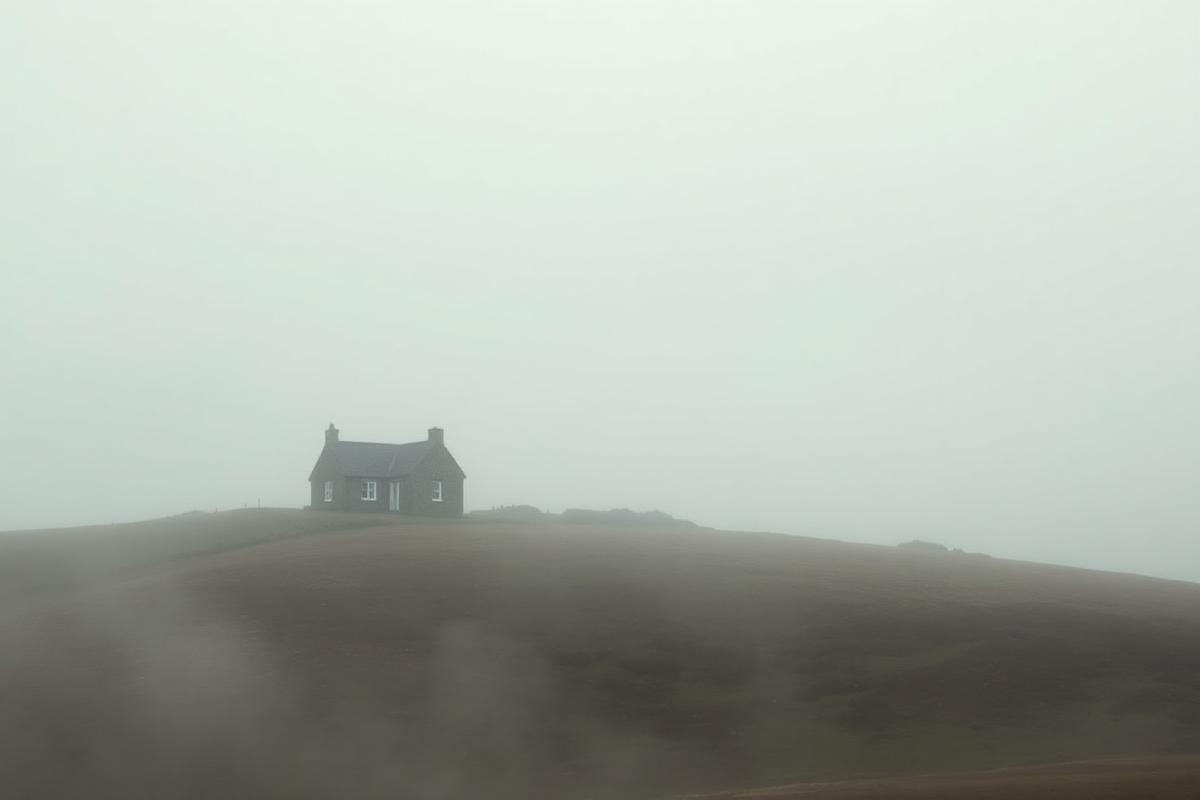
The Highlands don't reveal themselves to a car. You have to earn them slowly, on your own two feet, and preferably in weather that a more sensible person would avoid. This is a guide for the traveler who is willing to be a little wet.
Where to base yourself
Skip Inverness for a first trip. Base yourself instead in a smaller village, Plockton on the west coast, or Kingussie in the Cairngorms. The rhythm of a village makes the walk-in and walk-out days meaningful, not just transit.
Three walks worth the weather
- Glen Affric, the classic native pine forest, most beautiful in October.
- The Quiraing on Skye, a broken-teeth ridge that looks like nothing else in Europe.
- Cape Wrath, the very edge of the mainland, reached by a small ferry and a rougher road.
The habit of walking
A Highland trip changes if you build a walking habit before you arrive. Even twenty minutes a day, four weeks out, changes how your body handles a five-hour ridge walk. Our piece on morning rituals has a light version of this you can slot in before work.
What to pack, honestly
Waterproof outer layer, a merino base layer, and shoes you have already broken in. Everything else can be borrowed, bought locally, or lived without. The Highlands reward travelers who arrive with less.
For a different kind of quiet, our slow-living essay pairs well with a Highland trip.