Dust & Glory: The Lost Libraries of Timbuktu
The astonishing story of the family archivists who smuggled 350,000 manuscripts to safety, and what those pages tell us about a Sahara we've forgotten.
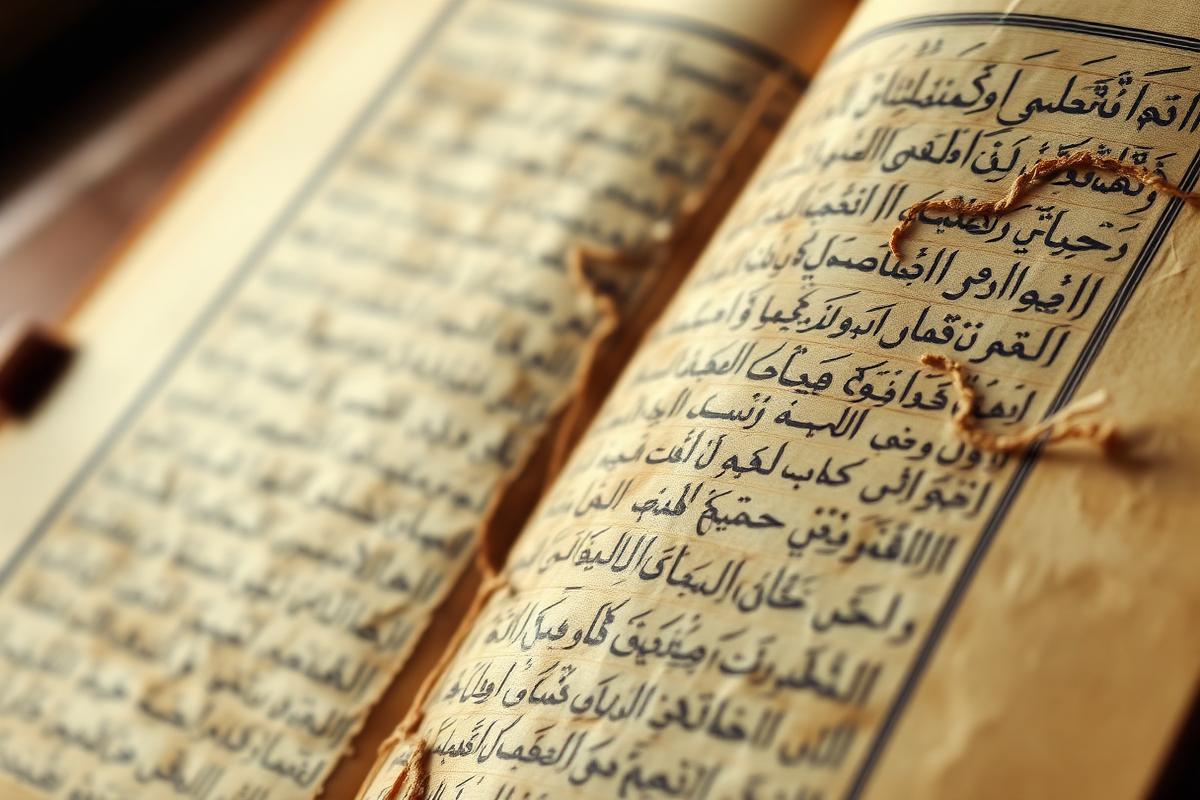
In 2012, as armed groups moved on Timbuktu, a network of librarians did something quietly astonishing. Over months, they packed thousands of medieval manuscripts into metal trunks, hid them under vegetables and rice, and floated them down the Niger to Bamako. Not one page was formally reported lost.
A desert full of writing
The Western imagination has long picked one image for the Sahara, an ocean of sand, empty and hostile. The manuscripts of Timbuktu correct that picture. From the 13th century onward, the city was a book town: a place where a scholar's status was measured in shelves, and a marriage contract might list manuscripts alongside cattle.
What the pages say
- Astronomy: precise star tables used to plan caravan crossings.
- Medicine: treatises on malaria, fevers, and the healing use of local plants.
- Law: a rich Islamic jurisprudence adapted to Sahelian realities.
- Poetry: love, grief, and the specific homesickness of scholars far from home.
Why it matters now
History is not just a story we tell about the past. It quietly decides who is allowed to sound intelligent in the present. Recovering the intellectual weight of a place like Timbuktu changes how we read Africa, and it changes how we travel there. If you're planning a trip in this direction, pair this with our Levant essay and consider how thoroughly the two regions once talked to each other.
“We didn't hide the books because they were precious. We hid them because they were ours.”
How to see the archives today
The Ahmed Baba Institute in Bamako holds a large share of the recovered manuscripts and welcomes serious visitors by appointment. If travel isn't in the cards, the SAVAMA-DCI digitization project has thousands of pages searchable online.